Voice AI is in our CRM. How we set one up.
GoHighLevel shipped Voice AI in August 2024. The build we run for a front desk, what we let the agent say, and what we route straight to a person.
The phones came back on the Tuesday after Labor Day, the way they do every year. September is when practices start filling the last quarter, when parents book the appointments they put off all summer, and when the front desk stops having a quiet hour to call anybody back.
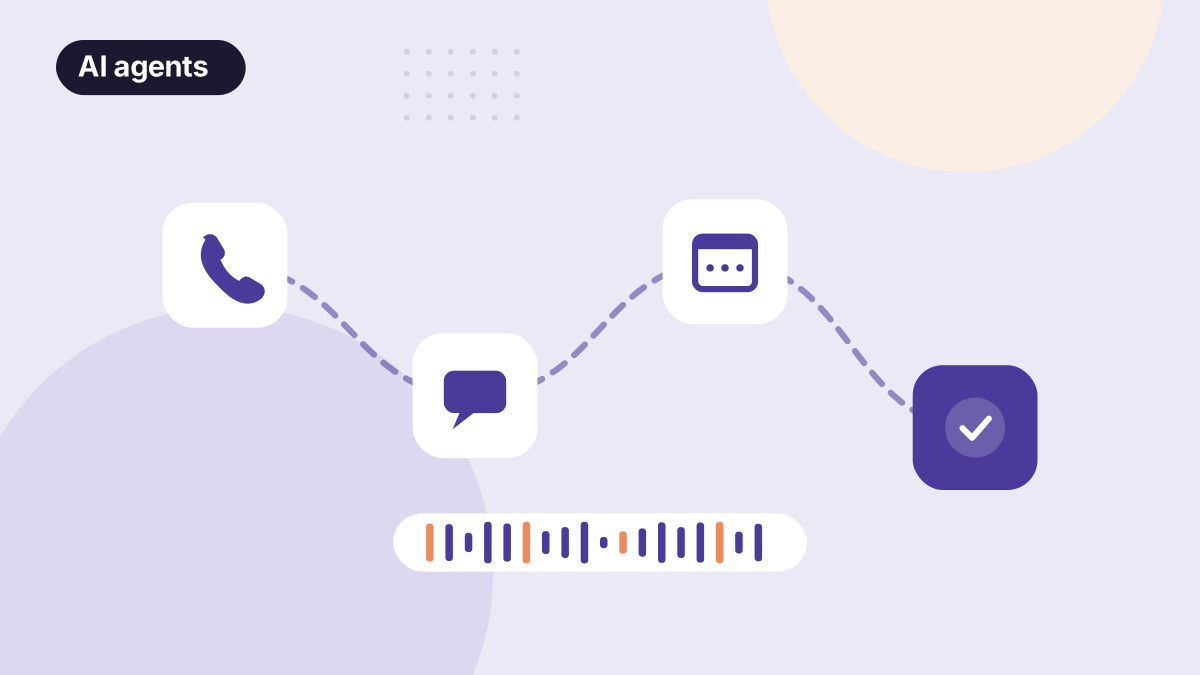
September 2024 is also the first September where the tool that answers the overflow is sitting inside the software we already run for the client. GoHighLevel shipped Voice AI in August 2024, so the agent, the contact record, the calendar and the follow-up automation are now one system instead of four. We have spent the weeks since building them for real accounts rather than demoing them, and the setup has settled into something repeatable.
Why it matters that it lives in the CRM
We had tested standalone AI answering services before this. They work. The problem was always everything around the call.
A separate service takes the call, then hands you a transcript by email, or pushes a lead through a webhook that somebody has to maintain, and now the caller exists in two places with two different spellings of their name. Half the value of answering the call leaks out in the handoff.
Inside the platform, the call writes to the same record the rest of the marketing already uses. That gets us four things for free:
- The transcript and the recording sit on the contact timeline, next to the ad click that brought them in and every text they have had from the office.
- A booking goes on the same calendar the front desk looks at, with the same buffer rules, so nobody double books.
- The workflow after the call is the workflow we already built. Confirmation text, reminder, reschedule link, a task for the morning if the agent could not book.
- The caller’s details live with one vendor instead of two, which matters when the caller is a patient and there is a business associate agreement behind it.
It is also easier to switch off. If it goes badly on a Thursday night, the forward goes back to voicemail in a minute and nothing else in the account breaks.
The build, in the order we do it
- One window, not the whole phone. The first agent only answers the after-hours and weekend forward. Daytime calls stay with the people who are good at them. Everything we have learned says start where the competition is voicemail.
- Knowledge from the front desk, not the website. We sit with whoever answers the phone and write down the real answers to the twelve questions they get most. Hours, parking, which building, new patient policy, what a first visit involves, what to do with a broken tooth at 9pm. Website copy is written to sell. It makes a terrible script.
- One goal per call. Either an appointment on the calendar, or a complete message with name, callback number spelled back, reason and urgency. The agent is not there to have a conversation.
- Disclosure in the first sentence. The agent says it is an automated assistant before it asks for anything. Callers are fine with it. Callers who work it out halfway through are not, and they do not call back.
- Guardrails written before the script. The list of things it may never say goes in first, because it is easier to write a script inside fences than to add fences to a script that already sounds friendly.
- Every call reviewed for two weeks. Not a sample. All of them. The first week of transcripts is where you find the four places it should have handed off sooner, and fixing those is what makes the office trust it.
What we let it say
- Hours, address, parking, which entrance, and whether the practice is taking new patients.
- The list of insurances the practice is in network with, by name, with no comment on what a plan covers.
- Published fees only, such as a new patient exam price if the practice publishes one. Nothing estimated.
- The next two or three open slots, and then book one.
- A text with the confirmation and the booking link while the caller is still on the phone.
- The callback number read back to the caller, digit by digit, before the call ends.
What goes to a person
- Anything clinical. Pain, swelling, bleeding, a knocked out tooth. The agent takes the number and the emergency line gets it immediately.
- Coverage questions. “Is this covered” is never a yes or no, and a wrong answer becomes an argument in the chair weeks later.
- Prices that are not published. No ranges, no “usually around”.
- Anything about an appointment already on today’s schedule. That is a conversation with the schedule open in front of a human.
- An upset caller. First sign of frustration, hand off. No retries.
- Anything it is not sure about. We would rather it say it will have someone call back than improvise. Being transferred is forgivable. Being told something untrue is not.
On the compliance side, nothing has changed because the tool is easier. A vendor touching patient calls needs an agreement in place, recordings need a retention rule, and some states require every party on the call to consent to being recorded. Check yours before the first call, not after.
What we measure
Calls handled is a vanity number. The ones that decide whether it stays are booked appointments from agent calls, the share of calls that reach a person when they should, and whether callback numbers come out of the transcript correct. In the accounts we run, the after-hours window produces bookings that were previously voicemails nobody returned until Monday, and that is the whole case for it.
What to do this month
- Pull last month’s call log and count what happened to calls after closing and at lunch. That is the size of the opportunity.
- Write your twelve most common questions with the front desk, in their words, and keep the document. Any system you buy later needs it.
- Write the never-say list before anybody records a greeting.
- Start on the after-hours forward only, and read every transcript for two weeks.
- Get the vendor agreement and your state’s recording consent rules sorted before the agent takes a live call.
- Tell the team what it does. An agent the front desk routes around is worse than voicemail.
The reason we moved on this in September 2024 is that the plumbing finally sits where the rest of the account already lives, which makes AI answering a normal part of a build rather than another subscription to babysit. For practices, it is the same GoHighLevel setup we already run for reminders and recall, pointed at the hours when nobody is there.
You made it to the end. Now let's get you more customers.
AI Agents & Chatbots is part of what we set up and run every day, along with the search, ads and follow-up around it. Tell us about your business and we will send back what to fix first. Platforms change every year, so we will check what still holds for you today.
- A free consult. A real conversation about your business, your area and what is not working yet.
- An honest evaluation. Where you stand in search, ads and follow-up next to the businesses you lose customers to.
- A plan you keep. What we would fix first and why. It is yours whether or not you work with us.
Form not loading? Email hello@beyaoshy.com and we will reply within one business day.